YC
RP
FS
RR
Young Curators Residency Programme
Every year since 2007 Fondazione Sandretto Re Rebaudengo promotes the Young Curators Residency Programme Torino. The project aims to support emerging curatorial practice while spreading knowledge of the Italian art scene on an international level.

Young Curators Residency Programme 2018 Coordinated by Lucrezia Calabrò Visconti
Fondazione Sandretto Re Rebaudengo, Turin, Italy June 7 - September 7, 2018
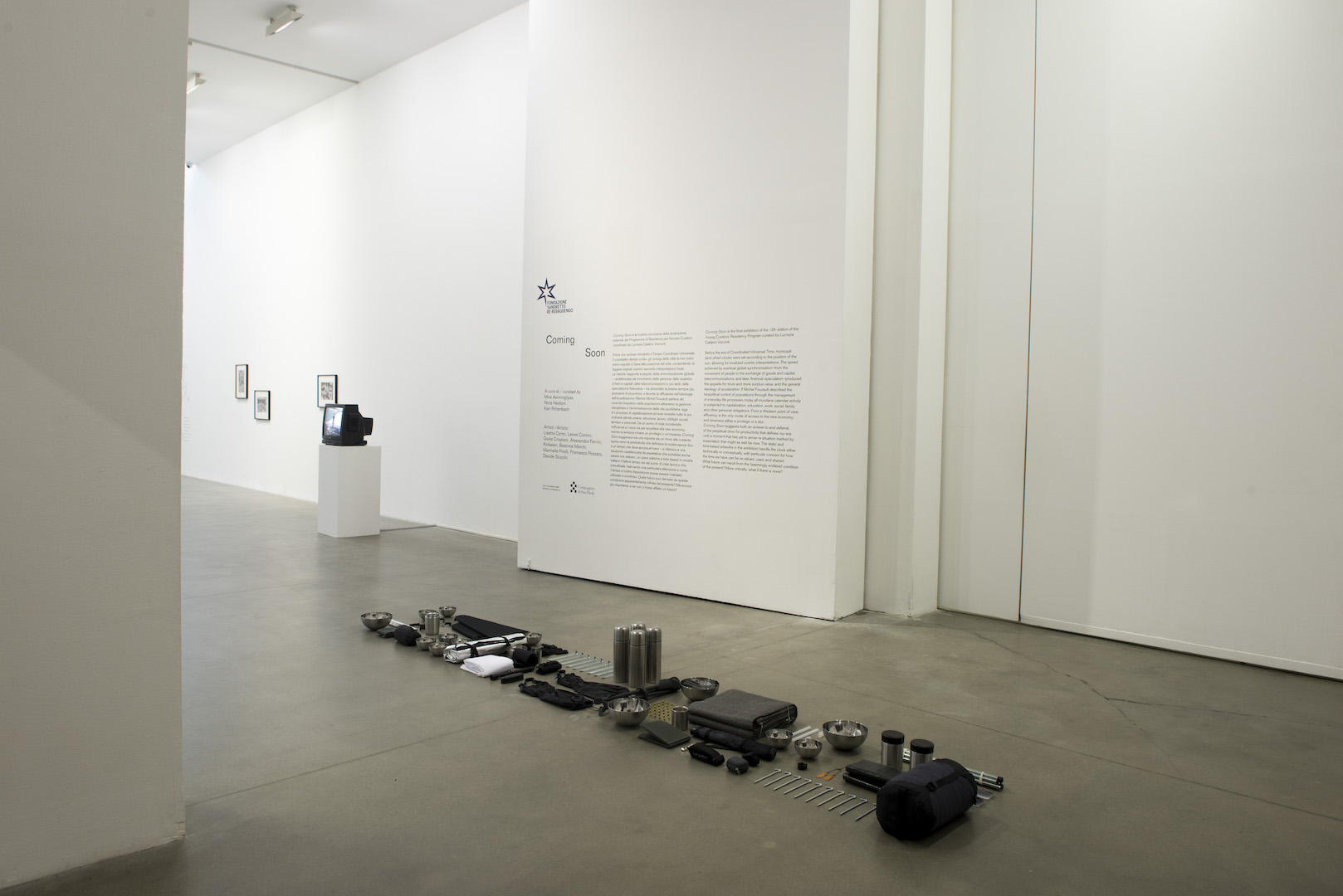
Coming Soon
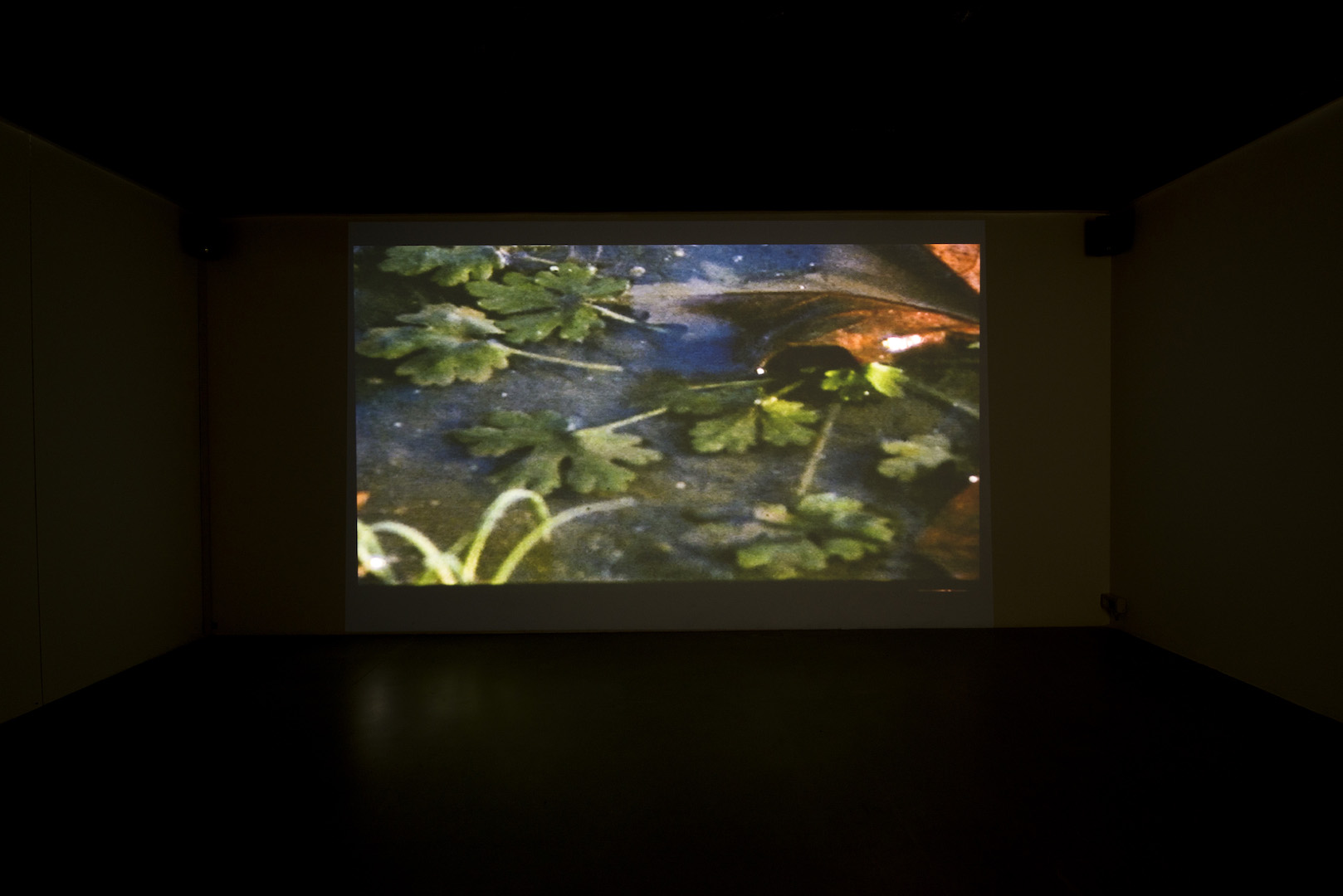
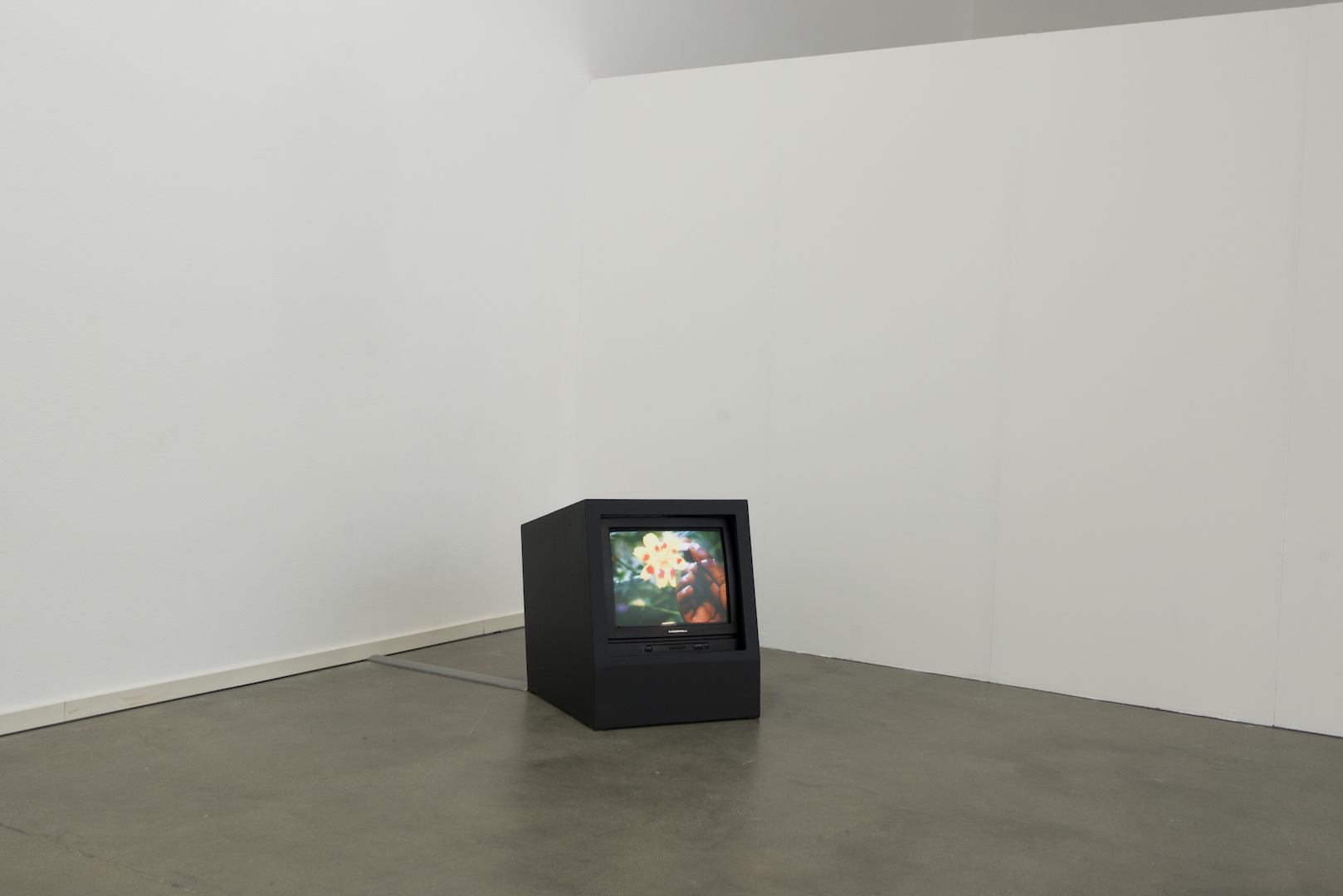
Before the era of Coordinated Universal Time, municipal (and other) clocks were set according to the position of the sun, allowing for localized cosmic interpretations. The speed achieved by eventual global synchronization — from the movement of people to the exchange of goods and capital, telecommunications, and later, financial speculation — produced the appetite for more and more surplus value, and the general ideology of acceleration. If Foucault described the biopolitical control of populations through the management of everyday life processes, today all mundane calendar activity is subjected to capitalization: education, work, social, family and other personal obligations. From a Western point of view, efficiency is the only mode of access to the new economy, and slowness either a privilege or a slur. The fetish for the “now” and the false urgency of the contemporary—to be always-already up-to- date, on trend, on-the-move—reward instant gratification at the expense of the laborious and the longer term, leaving little space for reflection, retraction, failure, or even a wasted afternoon. Yet value appreciates in time—how do you choose to spend it? Across a timeworn landscape, abstract national essentialism splinters into complex regional, territorial, and cultural specificities—a context in which many different histories and temporalities collide, coincide, and co-exist. The utopian alternate reality reveals itself as an alternate temporality, and the lapse into provincialism a hegemonic assumption. Does our experience of time—from the city, to the periphery, to the island—really change with our physical geographical location? When does reproductive work occur in the absence of wage-labor? These questions implicate our peers, our generation, ourselves, our “own” time and sense of it. Still the perpetual drive for productivity calls for creative and intellectual, care and manual work to be in process at all times. Coming Soon suggests both an answer to and deferral of this demand until a moment that has yet to arrive—a situation marked by expectation that might as well be now. The static and time-based artworks in the exhibition handle the clock either technically or conceptually, with particular concern for how the time we have can be re-valued, used and shared. Performed for the exhibition opening, Giulia Crispiani’s one-act play anthropomorphizes the characters Yesterday and Tomorrow, setting them in competitive tension. Francesco Pozzato expresses a funereal futurity in an installation that recasts camping gear as ancient Egyptian burial goods. In an animated film, Beatrice Marchi’s alter-ego rides a streetcar across an accelerated history of landscape painting while remaining in a stagnant present. Marinella Pirelli’s experimental films paint a picture of the psychological and environmental context of postwar Italy through the material of the natural world: a lake and a delicate flower’s petals. The plant life in Leone Contini’s installation transforms ideas of national territory through the cultivation of smuggled seeds. Alessandra Ferrini reorients the economic and historical circumstances of the Mediterranean region, in order to see present relations between Italy and the African continent through legacies of Italian colonialism and fascism. During their long-term collaborative performance project, Kinkaleri staged countless “small deaths” in urban capitals to prefigure the end of the era of the West. Lisetta Carmi’s timeless photographs depict subtleties of presence, absence, and marginality within Italian society. Davide Stucchi extrapolates the drawn line from two-dimensions into the space occupied by the body and back again, working out and across materialities that slowly build up and decline. The bilingual book published on the occasion of Coming Soon (Fondazione Sandretto Re Rebaudengo and NERO, 2018) presents insight into each exhibiting artists’ practice through a collection of images that partially refer to the gallery installation. The setting for this visual material is a compilation of invited works of political theory, noir fiction, and sociological analysis expressed in scholarly, epistolary, and diaristic form. These texts,republished from sources dating from 1974 to 2017, by Sonja Dahl, Ida Danewid, Giorgio De Maria, Claire Fontaine, and Simone Forti, develop different threads of research on the production of temporality, today. Along with new essays by the curators, an introduction by Lucrezia Calabrò Visconti, and prefaced by Patrizia Sandretto Re Rebaudengo, this “reader” serves to expand the calendar dates of the exhibition, and deepen the critical engagement with the artists whose work it features. —Mira Asriningtyas, Nora Heidorn, Kari Rittenbach Turin, May 2018
Curators
Mira Asriningtyas
Mira Asriningtyas (b.1986) is a curator, writer, and one of the two Directors of Cemeti–Institute for Art and Society, Indonesia’s pioneering contemporary art platform. Her practice explores polycentric forms of knowledge rooted in local contexts as a way to decolonize knowledge systems, foster ecological sustainability, and investigate the enduring traces of colonialism. She completed the Curatorial Programme at de Appel (Amsterdam), RAW Académie: CURA at RAW Material Company (Dakar), and an MA in Arts and Society at Utrecht University. Her curatorial projects and public programmes have been presented internationally at institutions including de Appel, the Stedelijk Museum Amsterdam, Fondazione Sandretto Re Rebaudengo, ISCP New York, MAIIAM Contemporary Art Museum, Our Museum Taipei, Hotel Maria Kapel, and Alternative Space LOOP. Since 2017, she has initiated and curated 900mdpl, a long-term site-specific project in Kaliurang that preserves collective memory through socially engaged artistic practice. She is the author of Institution Making on a Moving Ground: A Case Study of 900mdpl (2017–2022) (2025), and her essays have appeared in PARSE Journal, Stedelijk Studies, ArtReview Asia, Ocula, and numerous books, journals, and exhibition publications. She also co-founded the nomadic curatorial collective LIR.
Nora Heidorn
Nora Heidorn (Germany, 1990) is a curator and postdoctoral researcher working at the Berlin Museum of Medical History and the University of Vienna. Her practice is led by transdisciplinary research investigating the complex politics of health, sexual reproduction, and care. She does this through an intersectional feminist lens and using curatorial and artistic research methods. She writes for academic and arts publications. Nora completed her PhD in the Health and Care Research Cluster at the Royal College of Art, London in 2025 with a full scholarship from UK Research and Innovation. The work she created and exhibited together with Lynne Kouassi between 2022-2025 was shortlisted for the 2025 Feminist Art Prize at IKOB Museum, Belgium. Nora’s curated exhibitions include Horizontal: Politics and Poetics from the Sickbed, Berlin Museum of Medical History (2026, co-curated with Monika Ankele); Being Horizontal, Project Arts Centre, Dublin (2023); Onyeka Igwe: Dancing with the Archive, Uferstudios, Berlin (2022); London Community Video Archive Commission, Goldsmiths College, London (2020); Sick & Desiring, Bergen Assembly, Bergen (2019); Coming Soon, Fondazione Sandretto Re Rebaudengo, Turin (2018) and The problem with having a body / is that it always needs to be somewhere, The Approach, London (2017).
Kari Rittenbach
Kari Rittenbach (United States, 1985) is a critic and independent curator based in Brooklyn, New York. She attended Yale University, the Courtauld Institute of Art, and the Whitney Independent Study Program. Her writing has appeared in Afterall, Artforum, Art Papers, Frieze, Flash Art, Paper Monument, Texte zur Kunst, and in artist books and museum catalogues. She has organized performances, exhibitions, and events at The Kitchen (New York), The Whitney Museum (New York), Sculpture Center (New York), Artists Space (New York), Barbican Art Gallery (London), and other institutions. Recent projects include What Everybody Knows (with Monika Senz, at Svetlana, New York & Jenny’s, Los Angeles, 2017), Trees in the Forest (Yale Union, Portland, OR, 2016), Fever (Galerie Emanuel Layr, Vienna, 2016), and Dead Ends (1001 44th Rd, Long Island City, 2015). She has lectured in Art Theory at the University of Washington, and is on the editorial committee of May Revue.
Coordinator
Lucrezia Calabrò Visconti
Lucrezia Calabrò Visconti (Desenzano del Garda, 1990) is a curator and art writer. She is currently Head Curator at Istituto Svizzero in Italy, where she curates the programmes across its venues in Rome, Milan, and Palermo. Her recent projects include the monographic exhibition how we always survived by Pauline Boudry / Renate Lorenz and the group show Con lo zucchero in bocca in Rome; the exhibitions Deadline With The World by Gabriele Garavaglia and Miriam Laura Leonardi and The House of Dorothy by Vincent Grange in Milan; and the public programme Time is on my side by Helvetropicos in Palermo (all 2025). She previously served as Chief Curator and Head of the Curatorial Department at Pinacoteca Agnelli in Turin. At Pinacoteca Agnelli, she curated and co-curated major monographic exhibitions such as Salvo. Arrivare in tempo; Lee Lozano. Strike (Pinacoteca Agnelli and La Bourse – Pinault Collection, Paris, 2023–2024); and Sylvie Fleury. Turn Me On (2022); as well as new commissions including Dominique Gonzalez-Foerster. PISTARAMA and exhibitions such as Lucy McKenzie and Antonio Canova. Vulcanizzato (2023). For Pinacoteca’s Pista 500, she curated projects and new commissions by artists such as Chalisee Naamani, Monica Bonvicini, Shirin Aliabadi, Nina Beier, Julius von Bismark, Mark Leckey, Cally Spooner, VALIE EXPORT, Sylvie Fleury, Liam Gillick, Marco Giordano, Nan Goldin, Shilpa Gupta, Louise Lawler, Alicja Kwade, SUPERFLEX, among others. She curated exhibitions and programmes for institutions in Italy and abroad. In 2018 and 2019, she was the curator of the New Entries section at Artissima, Turin. In 2018, she curated the main exhibition of the 6th Moscow International Biennale for Young Art, titled Abracadabra, and co-founded the collective platform The School of the End of Time, with whom she co-curated the public programme accompanying the Biennale. From 2018 to 2021, she worked at Fondazione Sandretto Re Rebaudengo as curator and head of the Young Curators Reisdency Programme. From 2015 to 2018, she co-founded and curated the programme of CLOG Project, a research-driven independent space with a focus on contemporary arts and culture, autonomous education experiments and self-production projects. As a writer and journalist, her essays and texts have been published in various exhibition catalogues, publications and journals. Her book In the studio: Lee Lozano was recently published by Hauser & Wirth Publishers (2025). She is a co-founder and currently vice-president of AWI – Art Workers Italia, the first association established to advocate for contemporary art workers in Italy, since 2020; and she sits on the board of the Milano Art Community since 2025. She received her education in visual and performing arts from IUAV University in Venice, in curatorial studies from De Appel, Amsterdam and Fondazione Sandretto Re Rebaudengo, Turin, and specialised in critical social theory at the University of Milan – Bicocca and at the Critical Curatorial Cybermedia research Master at la HEAD, Geneve.
Artists
- Lisetta Carmi
Lisetta Carmi was born in 1924, Genova, Italy. She lives in Cisternino, Italy.
![]()
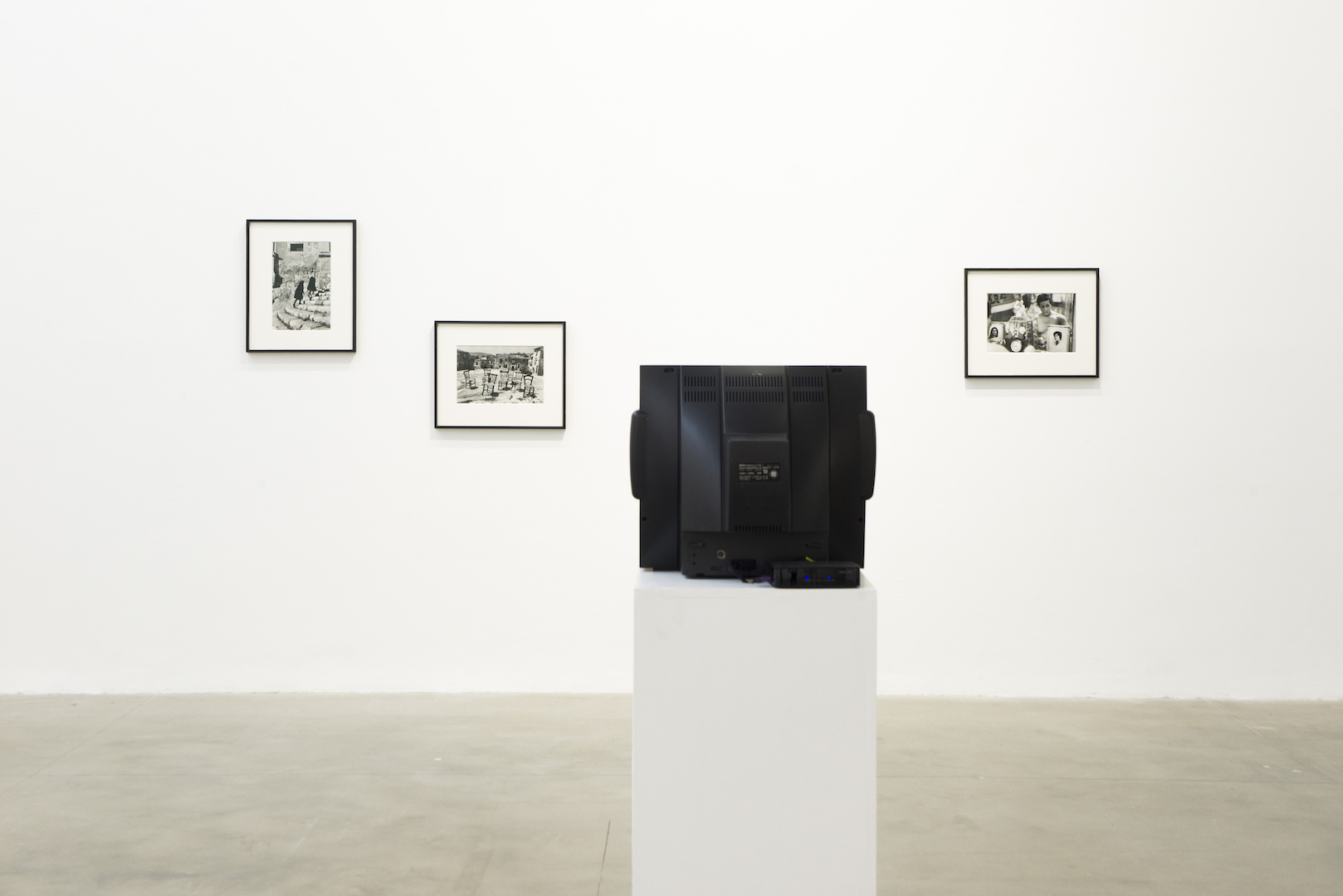
I Travestiti, La Morena, 1965–70
Photograph, modern gelatin silver print, 30x40cm
Courtesy Martini & Ronchetti, Genova, Italy
Piazza Armerina, Sicilia, 1977
Photograph, modern gelatin silver print, 30x40cm
Courtesy Martini & Ronchetti, Genova, Italy
Sicilia, 1977
Photograph, modern gelatin silver print, 30x40cm
Courtesy Martini & Ronchetti, Genova, Italy - Leone Contini
Leone Contini was born in 1976, Firenze, Italy. He lives and works in Palermo, Italy and Prato, Italy.
![]()
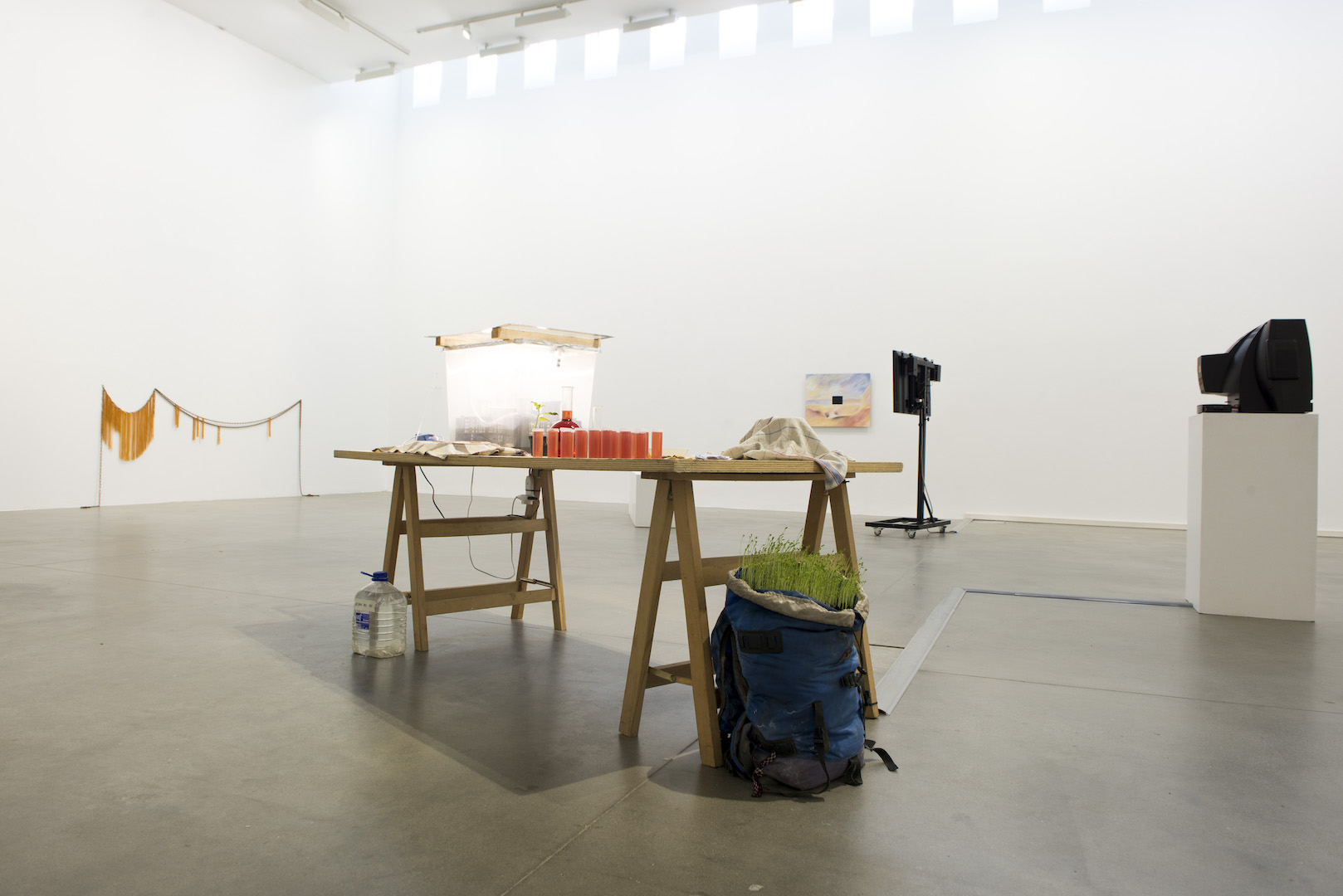
Giardino Viaggiante (Traveling Garden), 2018
Dimensions variable
Courtesy of the artist - Giulia Crispiani
Giulia Crispiani was born in 1986, Ancona, Italy. She lives and works in Roma.
![]()
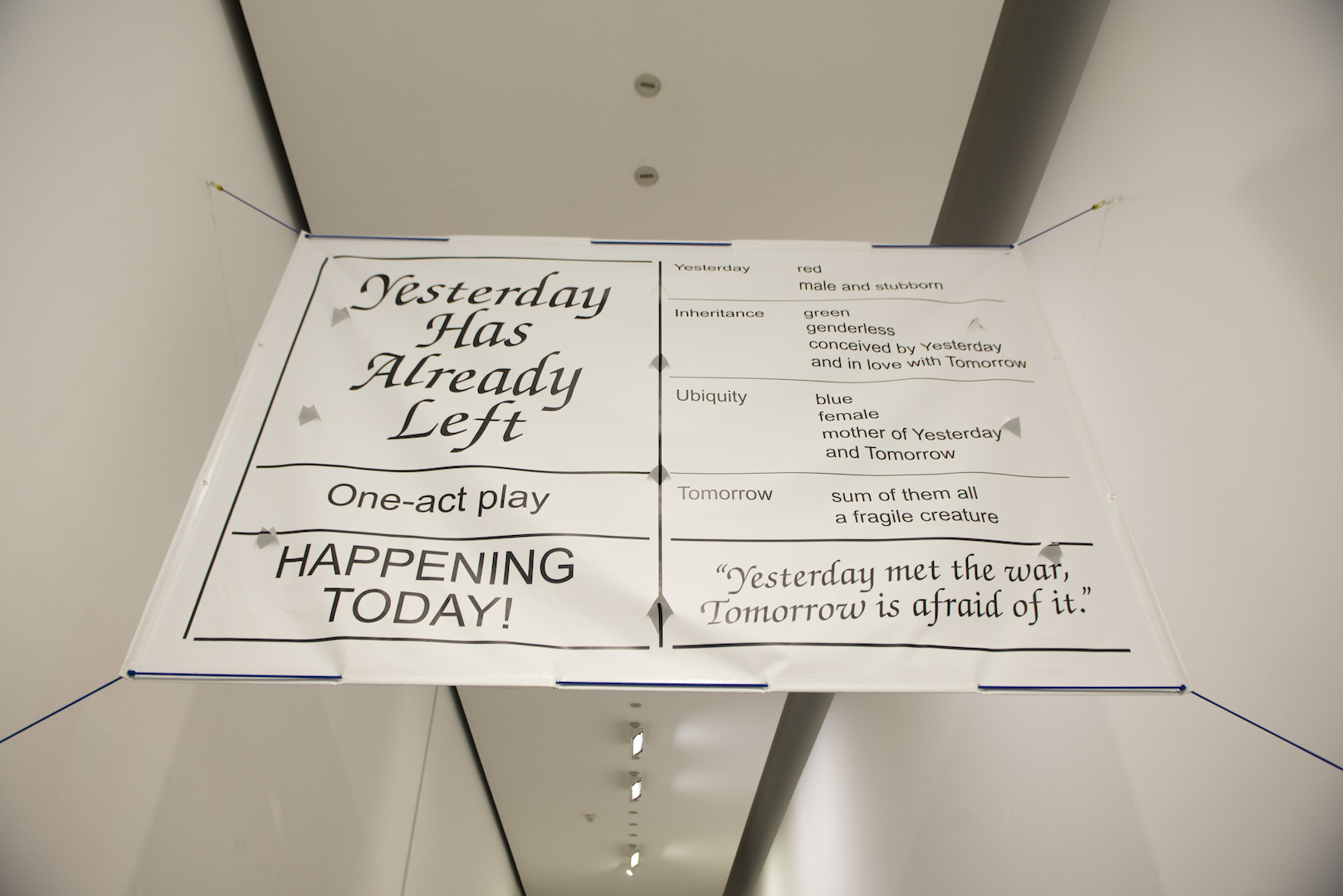
Happening Today, 2018
Banner, 200x300cm
Design: Federico Antonini
Courtesy the artist![]()
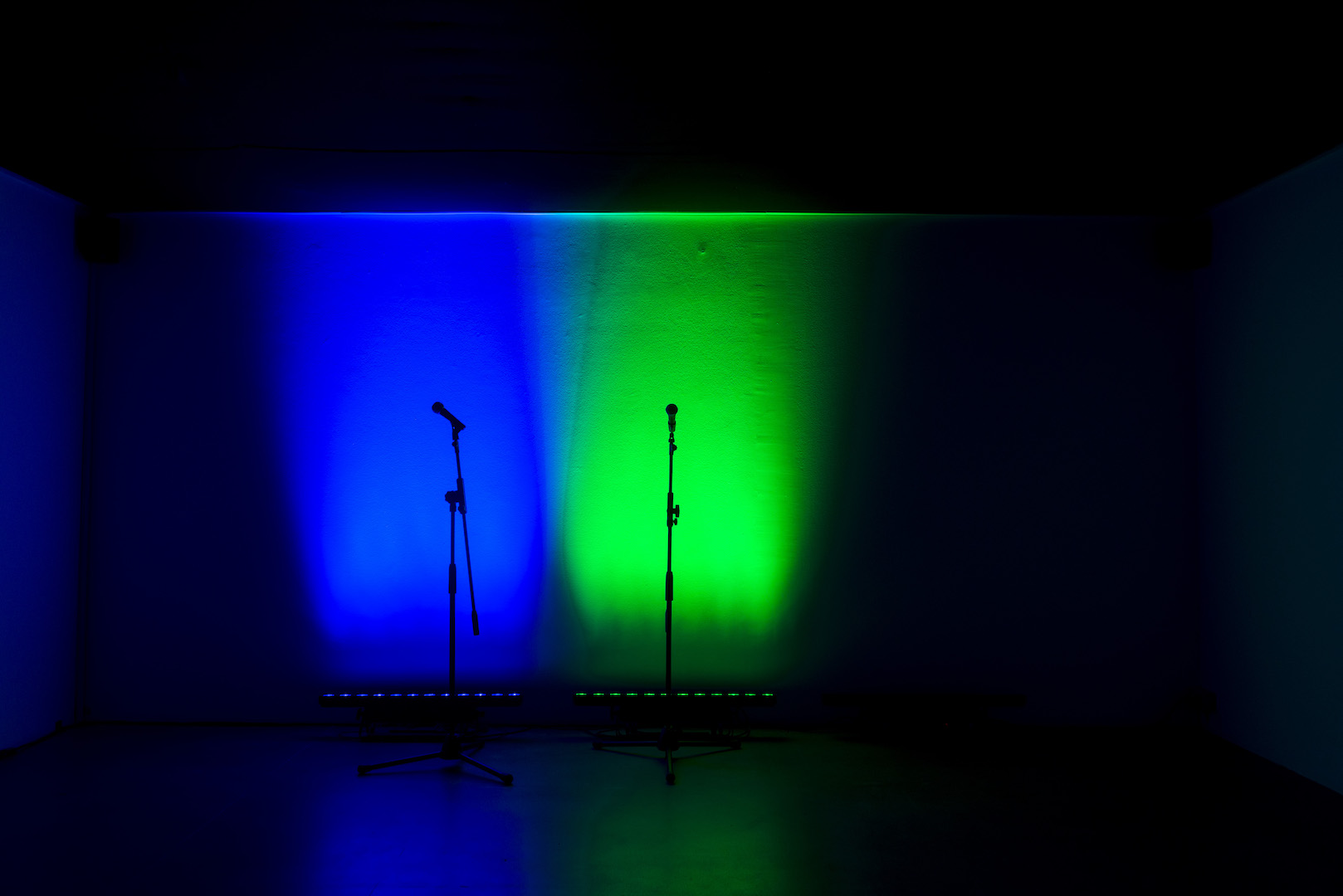
Yesterday Has Already Left, 2017
One-act play and installation, 10’
Courtesy the artist - Alessandra Ferrini
Alessandra Ferrini is an Italian-born, UK-based artist, researcher, and educator. Investigating the enduring legacies of Italian colonialism and Fascism within the Euro-Mediterranean area, her work is rooted in critical whiteness studies, radical historiography, archival and anticolonial praxis. Her practice spans across moving images, installation, performance-lecture, writing, publishing, and education. Her work has featured in group shows and international film programmes, including: the 60th Venice Art Biennale (2024), the International Film Festival Rotterdam (IFFR 2025), the 5th Casablanca Biennale (2022), Manifesta13 Paralléles du Sud (Marseille, 2020), Sharjah Film Platform (UAE, 2019), DEPO (Istanbul Biennal collateral, 2019), the 2nd Lagos Biennal (2019), Manifesta12 Film Programme (Palermo, 2018). Ferrini is the recipient of the Maxxi Bvlgari Prize 2022 and the 2017 Experimenta Pitch Award at the London Film Festival. Solo exhibitions include: Fondazione Sandretto Re Rebaudengo (Turin, 2025), Museo Novecento (Florence, 2024), Ar/Ge Kunst (Bolzano, 2022), Villa Romana (Florence, 2019). Her first monograph, Like Swarming Maggots: Confronting the Archive of Coloniality across Italy and Libya (Archive Books, 2024) was supported by Villa Romana and the Italian Council.
![]()
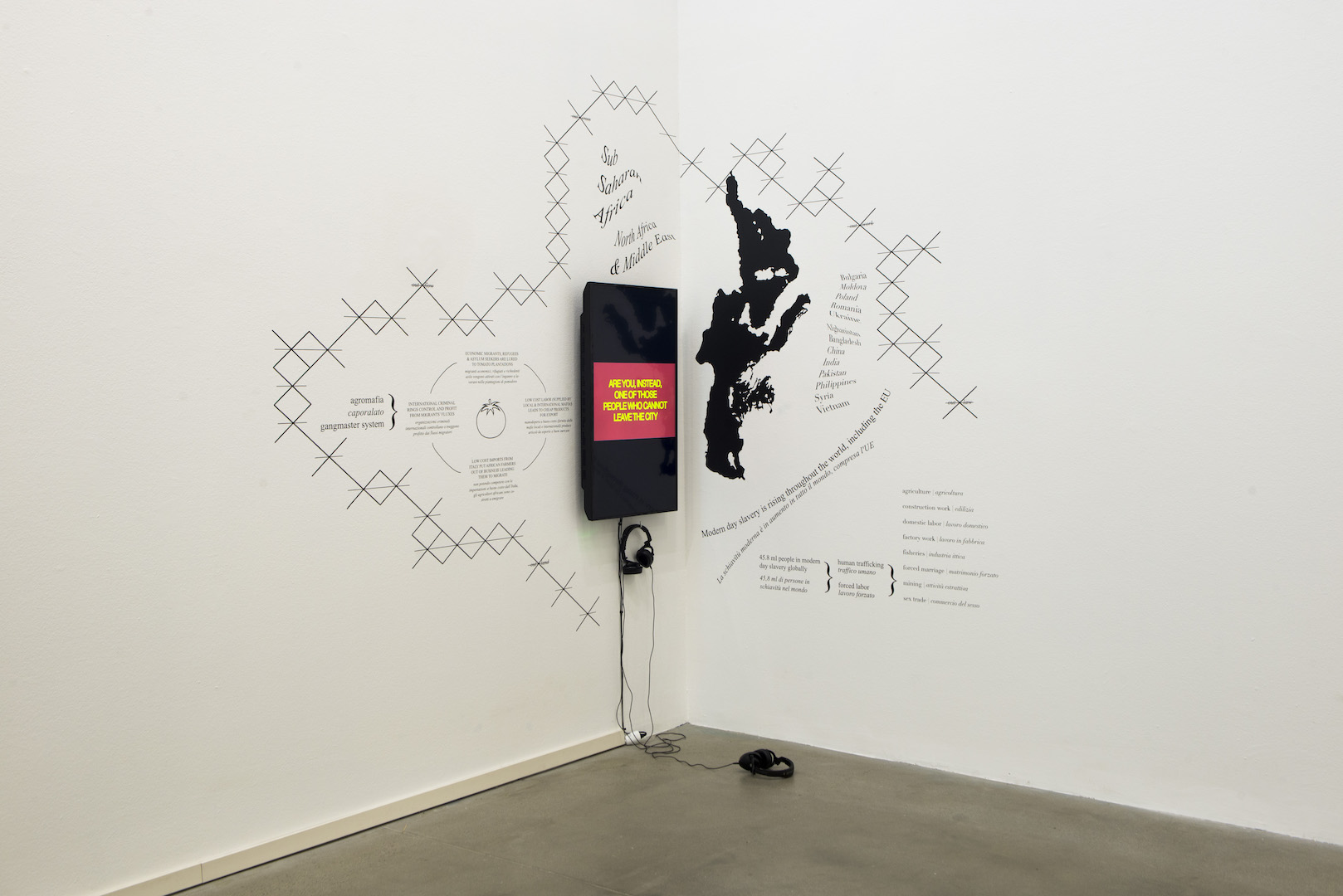
Radio Ghetto Relay, 2016
HD video, 15’24’’
Courtesy the artist
OutCross (Black Mediterranean), 2018
Vinyl, dimensions variable
Courtesy the artist - Kinkaleri
Kinkaleri was founded in Florence in 1995 and works across choreographic experimentation, movement research, performance, installation, stage design, and sound works, seeking a language shaped not by style but by the material presence of the object itself. The collective’s work has been presented extensively in Italy and internationally at theatres, festivals, and contemporary art institutions, including Triennale Milano / Teatro dell’Arte; Teatro Metastasio and Teatro Fabbricone (Prato); Sophiensaele and KunstHalle Deutsche Bank (Berlin); Centre Pompidou (Paris); Kunstenfestivaldesarts (Brussels); Centro per l’Arte Contemporanea Pecci (Prato); Fundação Calouste Gulbenkian (Lisbon); Kitazawa Town Hall (Tokyo); Oriental Pioneer Theatre (Beijing); Mercat de les Flors (Barcelona); La Bâtie Festival (Geneva); Santarcangelo Festival; Biennale Danza (Venice); and MAXXI (Rome). In 2002, the company received the Premio Lo Straniero – Scommesse per il futuro and the Premio Ubu for Best Dance Theatre Production of the Year. The collective is currently composed of Massimo Conti, Marco Mazzoni, and Gina Monaco.
![]()
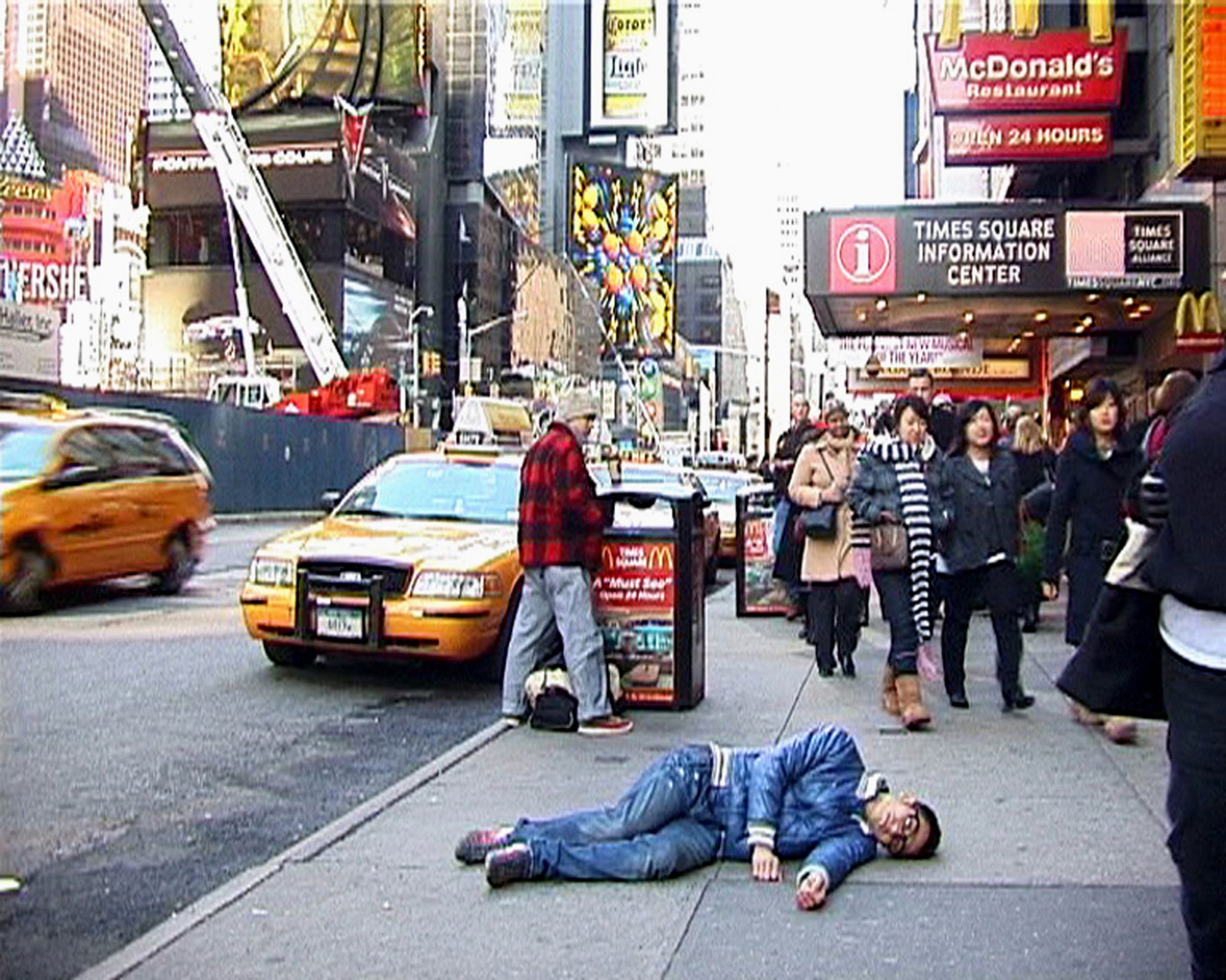
WEST(Paris)(Roma)(Amsterdam)(Athina)(Wien)(Berlin)(Bruxelles)(London)(Beijing)(Praha)(Tokyo)( New York), 2002-2007
Video, 210’, split on two channels
Courtesy of the artist and Centro per l’Arte Contemporanea Luigi Pecci, Prato - Beatrice Marchi
Beatrice Marchi was born in Gallarate (VA), Italy, in 1986. She lives between Milan and Hamburg.
![]()
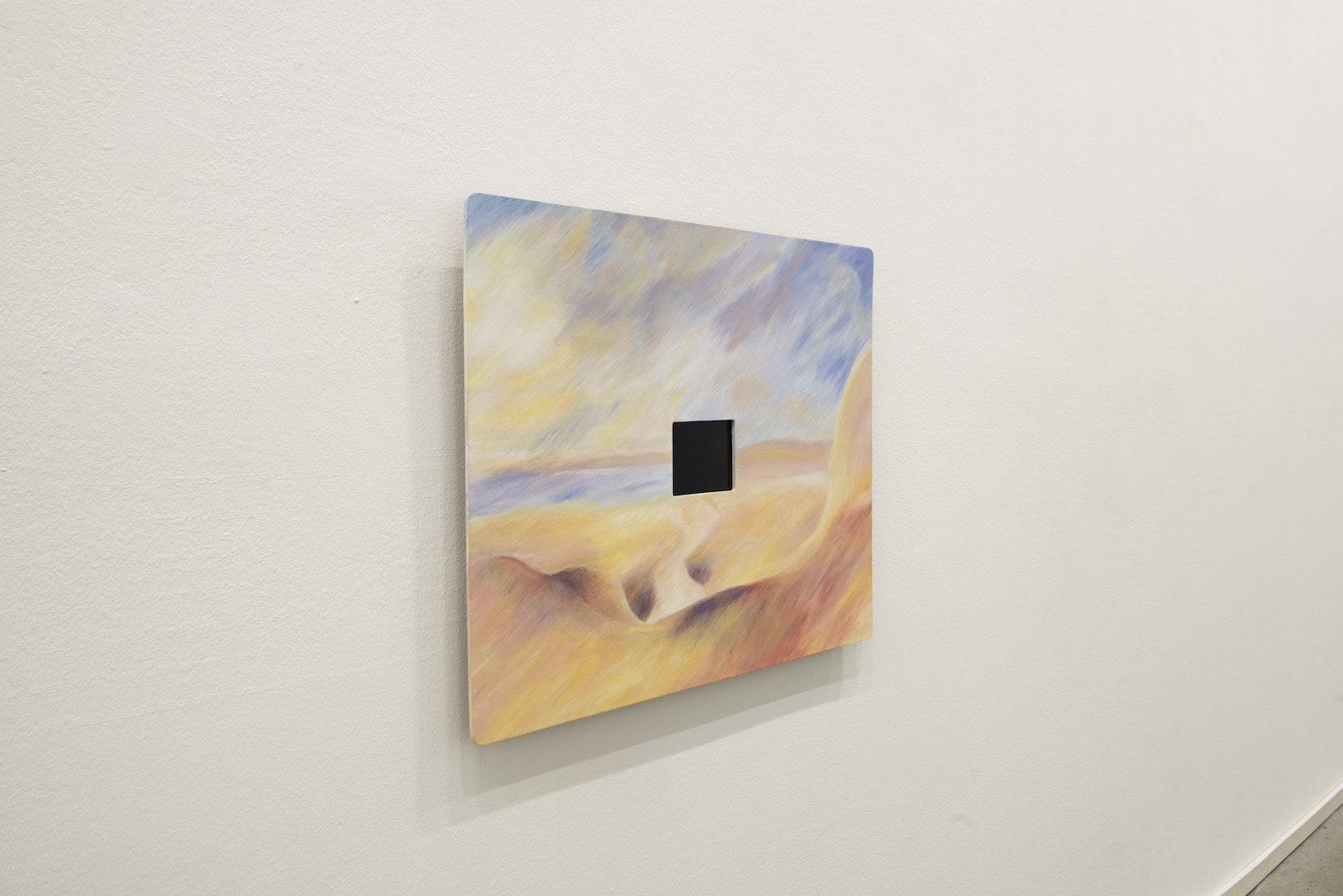
Paesaggio figurativo (William Turner, Landscape With a River and a Bay in the Background), 2017
Acrylic and pastel on wood and glass, 60x85cm
Private collection![]()
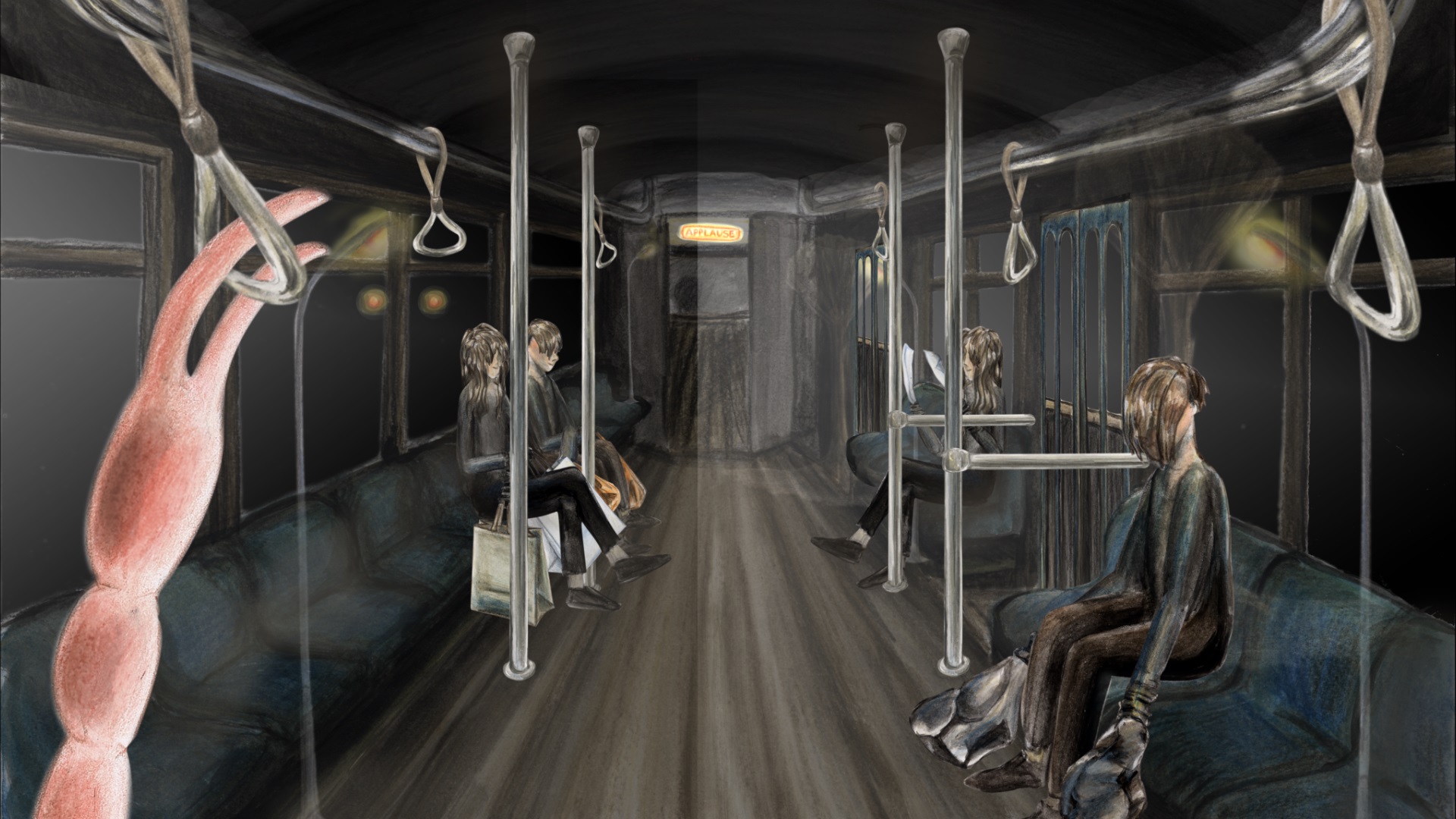
Loredana across the landscapes, 2017
HD video, 4’02’’
Courtesy of the artist - Marinella Pirelli
Marinella Pirelli was born in 1925, Verona, Italy. She died in 2009 in Varese, Italy.
![]()
The Lake, 1965
16mm transferred to DVD, 14’
Courtesy Archivio Marinella Pirelli![]()
To Burn, 1971
16mm transferred to DVD, 4’
Courtesy Archivio Marinella Pirelli - Francesco Pozzato
Francesco Pozzato (Vicenza, 1992) is an artist and archaeologist; he lives and works in Venice. His practice draws on archaeological methodologies to investigate both the remote past and the present, in an attempt to rediscover a history that moves beyond the triumphant narratives of the victors and beyond a linear, univocal, official interpretation. This concern has progressively given rise to a research practice that examines both destruction as an involuntary vehicle of preservation and, in parallel, the iconology of defeat. Around these themes, Pozzato constructs complex visual worlds in which cuneiform literature, Mediterranean decorative heritage and the materiality of archaeological remains intertwine with contemporary aesthetic languages through installations, photographs, and tapestries. Since 2022, this research has run alongside an academic path, first in the History of the Ancient Mediterranean and then in the Archaeology of Southwest Asia, combining theoretical work with excavation campaigns in Iraq, Armenia, and Sardinia. As an artist, he has collaborated with institutions including Fondazione Sandretto Re Rebaudengo, Fondazione Bevilacqua La Masa, Galleria Continua, ArtVerona, Artissima Fair, Galleria Nazionale di Cosenza, Fondazione Fabbri and Palazzo Merulana.
![]()
1068 BC (My Father), 2018
Installation, dimensions variable
Courtesy of the artist - Davide Stucchi
Davide Stucchi (b. 1988, Vimercate, Italy) works across installation, scenography, and exhibition making, through subtle gestures of subtraction and reconfiguration. Built around minimal interventions, his works engage with the tension between presence and forms of removal, intimacy, and distance, activated through carefully choreographed objects and spatial atmospheres. Each installation operates as an environment in its own right, inviting viewers into spaces where intimate traces, desire, and collective imaginaries converge. Permeating the practice is a sustained ambiguity—a refusal of resolution— enriched by deliberate references to fashion, advertising, domesticity, and coded narratives that unsettle normative representations of identity and the body. Through this layering, Stucchi constructs fragile architectures of perception, where meaning is continuously destabilized and reassembled. Stucchi’s work has been exhibited internationally, with solo shows at Triennale Museum, Milano (2026); Centro per l’Arte Contemporanea Luigi Pecci, Prato (2025); Martina Simeti, Milan (2024, 2021); Grazer Kunstverein, (2023); Museion, Bolzano (2024); Deborah Schamoni, Munich (2020, 2017); Zazà, Milan/Naples (2019); Sundogs, Paris (2019); Galerie Gregor Staiger, Zurich (2019); and MACRO, Rome (2014). His work has been included in group exhibitions at Museion, Bolzano (2024); Palazzo Tiepolo, Venice (2024); Between Bridges, Berlin (2023); Palazzo Ducale, Genoa (2023); MACRO, Rome (2020); Palazzo delle Esposizioni, Rome (2020, 2016); Stadgalerie Bern, Switzerland (2020); Villa Romana, Florence (2019); Fondazione Sandretto Re Rebaudengo, Turin (2018); Kunstverein Düsseldorf (2018); and MAXXI, Rome (2015).
![]()
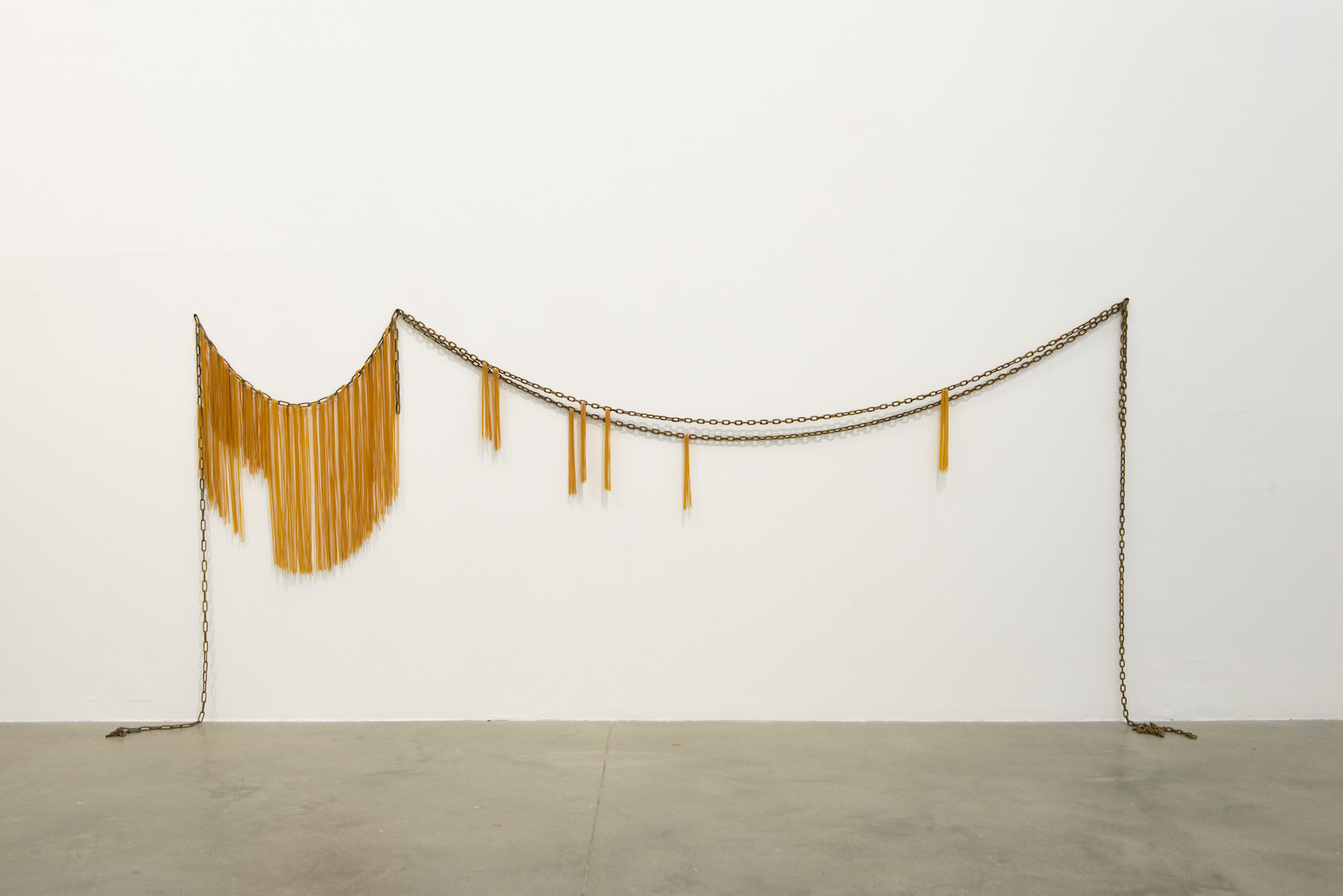
Not Much Could Be Saved from the Volcano, 2018
Rusted iron chain, chili spaghetti, dimensions variable![]()
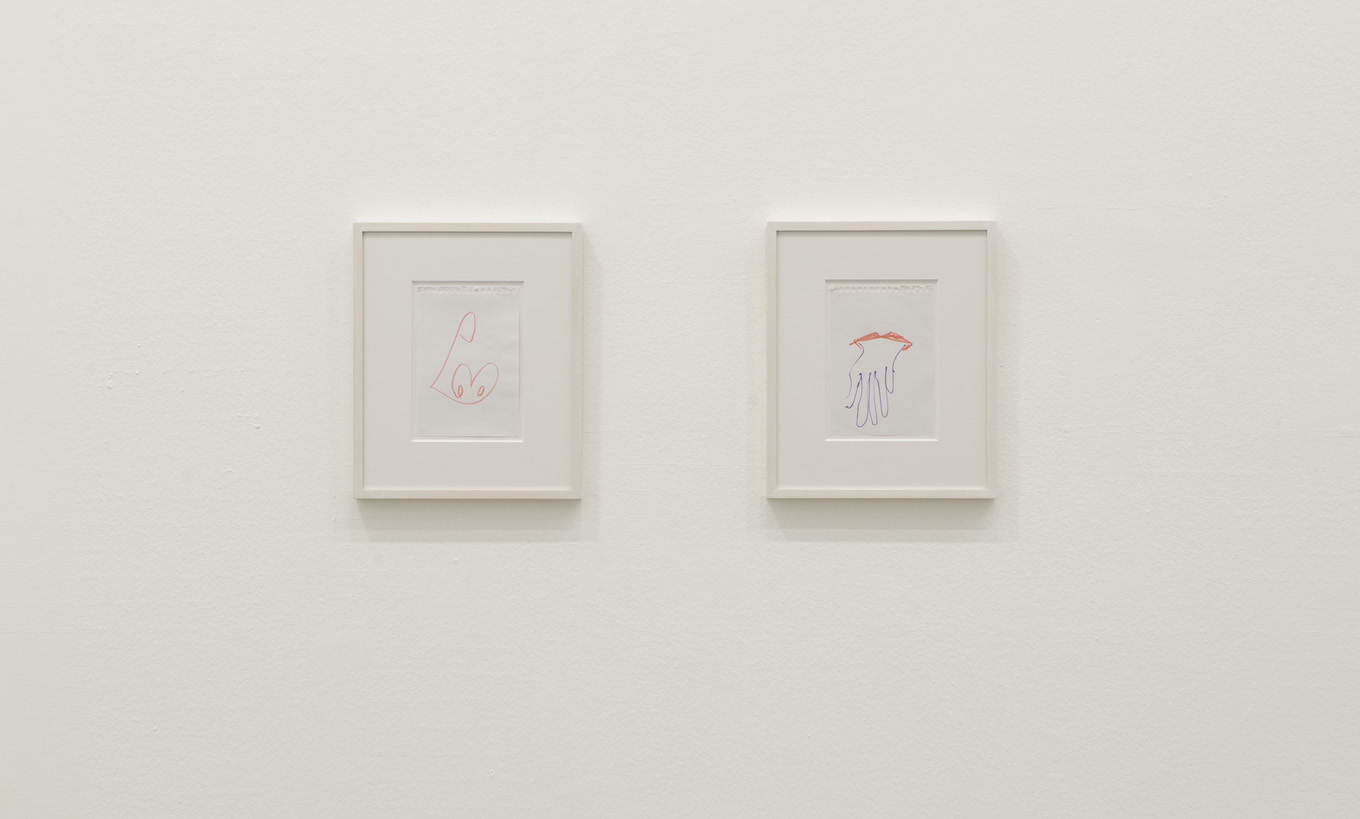
Anacapri, 2013
Felt-tip pen on paper, 14.5x21cm
Courtesy the artist and Deborah Schamoni Galerie, MunichMilano, 2018
Felt-tip pen on paper, 14.5x21cm
Courtesy the artist and Deborah Schamoni Galerie, Munich![]()
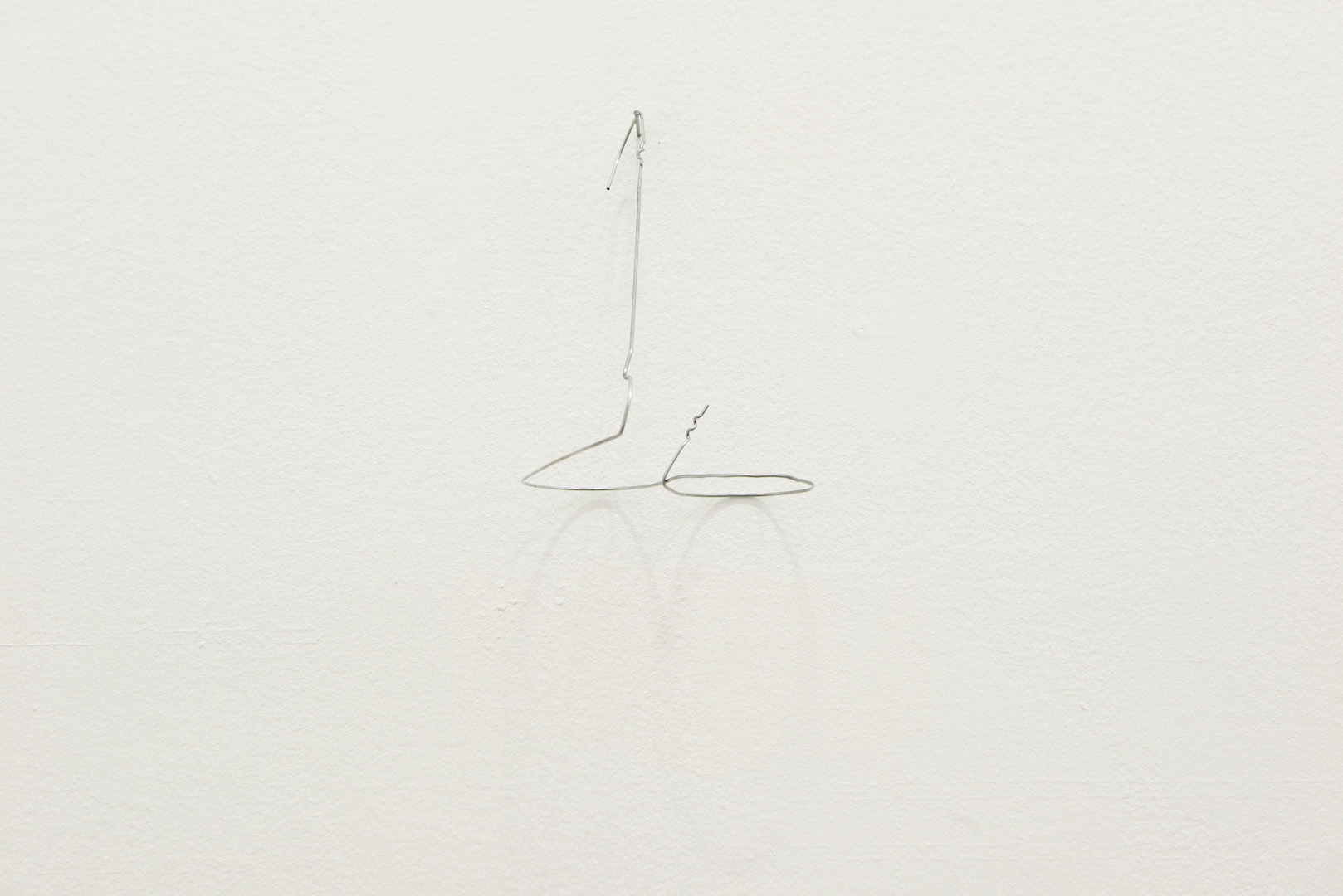
Naso (Pisello) X, 2017
Aluminium hanger, 25x19x26cm
Courtesy the artist and Deborah Schamoni Galerie, Munich
Jury
Chus Martínez
Chus Martínez (Spain, 1972) has a background in philosophy and art history. Currently she is the Head of the Institute of Art of the FHNW Academy of Arts and Design, Basel, Switzerland. Before she was the Chief Curator at El Museo del Barrio, New York, and dOCUMENTA (13) Head of Department and Member of Core Agent Group. Previously she was Chief Curator at MACBA, Barcelona (2008–11), Director of the Frankfurter Kunstverein (2005–08), and Artistic Director of Sala Rekalde, Bilbao, Spain (2002–05 ). For the 51st Biennale di Venezia (2005), Martínez curated the National Pavilion of Cyprus, and in 2008 she served as a Curatorial Advisor for the Carnegie International and in 2010 for the 29th Bienal de São Paulo. During her tenure as Director of the Frankfurter Kunstverein she curated solo exhibitions of Wilhelm Sasnal among others; and a series of group exhibitions including Pensée Sauvage and The Great Game To Come. She was also the founder of the Deutsche Börse Residency Program for international artists, art writers, and curators.
Mark Rappolt
Mark Rappolt is editor in chief of Art Review and founder of Art Review Asia. He has been editor at AA Files, the journal of the Architectural Association of London, where he has also lectured as well as curated a project on the writings of texts still to be translated by George Perec and other unpublished works by members of Oulipo. His texts have been featured in several publications, such as The Times, Die Zeit, i-D and Citizen K, as well as in various exhibition catalogues, such as those dedicated to Slater Bradley, Alex Katz, Bharti Kher, David Cronenberg and more recently Yuko Mohri and Joh Kømer. Among his books are also monographs dedicated to architects Greg Lynn and Frank Gehry. He is currently co-curator of Xiàn Chãng, a major exhibition of one-artist projects that takes place within West Bund Art & Design Fair of Shanghai. New productions have been commissioned to artists from south-east and far east Asia, with the first projects involving artists Ming Wong and Michael Lin.
YCRP.FSRR.ORG
©2026 Fondazione Sandretto Re Rebaudengo